The Peace War
Synopsis:
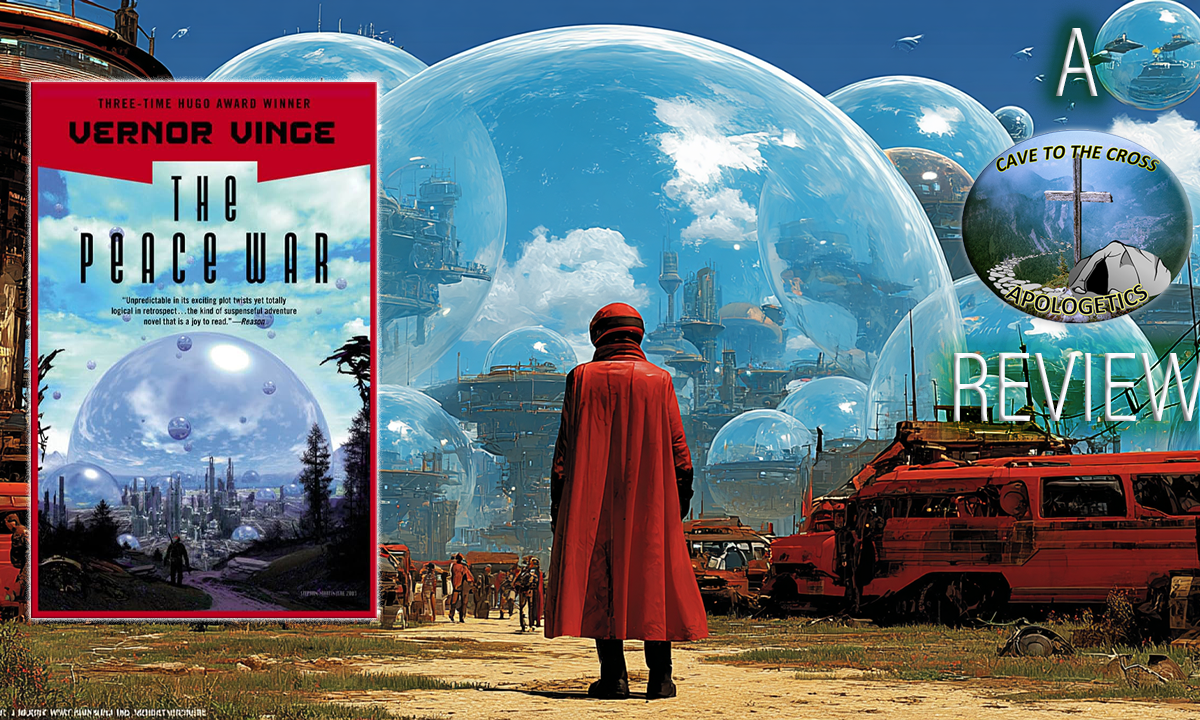
In Vernor Vinge’s hard sci-fi classic The Peace War, the invention of the “bobble”—a spherical stasis field that encases targets in impenetrable, time-frozen spheres—allows the Peace Authority to seize global control by neutralizing militaries and governments, enforcing a supposed era of peace while banning advanced technology and regressing society. Fifty years later, aging inventor Paul Naismith mentors a brilliant young thief named Wili Wachendon, harnessing underground “Tinkers” to refine the technology for smaller, timed bobbles that could overthrow the tyrants. As the Authority’s corruption deepens and old bobbles begin to burst – surprising everyone, a high-stakes rebellion unfolds with espionage, clever hacks, and desperate battles against overwhelming power. Blending rigorous scientific speculation, libertarian warnings about centralized authority, and thrilling conceptual breakthroughs, this tale provocatively explores human ingenuity’s triumph over oppression.
Video
Review
This is my first book by Vinge and it’s clear he’s writing well ahead of his time. The 1984 publication date was neat to see while reading about what he thought the advancement of computers would look like and how well he got on his predictions.
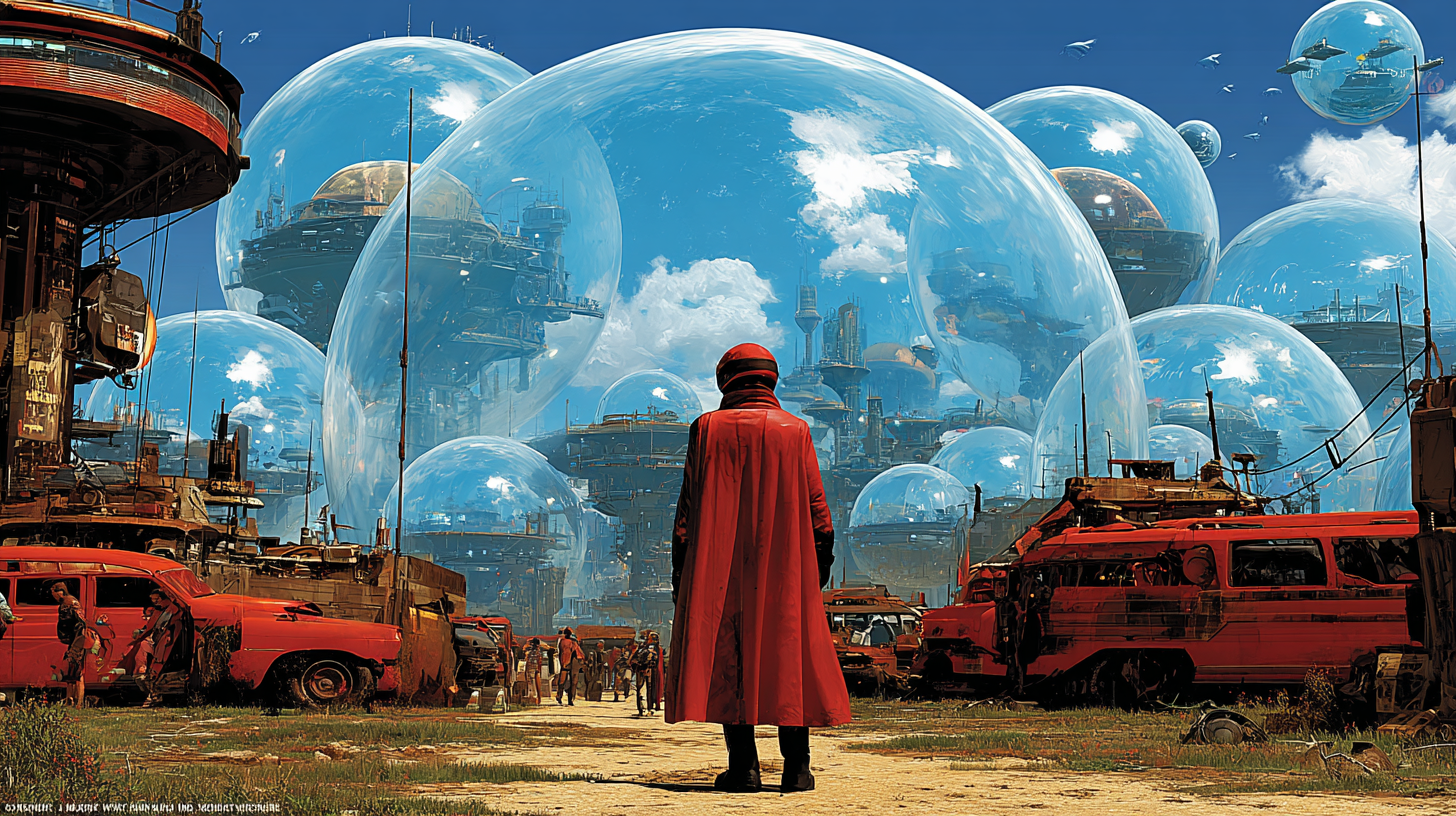
The bobble concept for this story was really interesting and moments and people frozen in time as a weapon is such a great concept. Outside the bobbles, life continues on and there’s no penetration able to happen outside. Inside the bobbles, no time has passed and if your bobble pops (which wasn’t known to happen until the first events of the story) you continue in the world you had no clue what went on. So things like whole armies being trapped or nuclear explosions contained within these large bobbles are frozen in place. The governing authority that exists above the world as some type of NATO dictatorial ruler is made up of some elites and military cabal. Those not with the Peace Authority are ordered to have no governments and no advancement of technology. Elements of anarcho-capitalism pops up (which was personally interesting for me and I wanted more info – which I do hear is part of a follow-up short story from Vinge). The rebellion has been secretly advancing in technology where they can get away with it. Because the Peace Authority has not had to compete in that area, when the events of the story take place they find themselves slightly at a loss as their advancement in tech has become stagnant. Really interesting concepts that pair well with the other elements of the plot.
The story revolves around Paul who is an old but super genius who finds his successor in a young kid named Wili. That is definitely not a name I would choose for a main character to follow. There are similar elements here seen in Ender Wiggins from Ender’s Game but with less genetic information. In Wili, Paul finds his successor and the ability to engage in grand scale rebellion and turning the bobbles into smaller, personal weapons with a short lifespan to pop.
The story starts out strong with the beginning and the middle. A friend and I were reading this and we decided that Chapter 22, which was half way through the book was a good part one discussion and boy, does the book split right there. The first half involves character development and growth, unfolding the world, building up good, good-guys and good, bad-guys. However, right after the halfway section, Vinge really fumbles the ball on character and even some of the plot. Vinge fails to have his characters do much other than advance the elements of the plot from a technology and strategy of the rebellion point of view. They are there and they add to the story but there is nothing like that first part of the story with struggling and figuring things out and growing as characters. Leading up to the end, both my friend and I was not sure Vinge would finish the story as the pages were lessening and the pages were growing smaller. Vinge kind of spikes the ball at the end and finish the story but almost as a matter just to end it not really as apart of the story of the characters. Even the final part involving the Peace Authority characters made zero sense in why what happened did so. The thing about it was that if Vinge had worked on the character part of that part of the story just a little more throughout the second half of the book, I can absolutely get behind the ending. This was such a disappointment and both my friend and I were enjoying our independent but collective rage at this.
There are other stories in this series and I would say I am probably going to read them but as far as this book is concerned, I am not impressed with Vinge as a character writer. I do enjoy his science fiction and technology application and sometimes that can push me through. A good read overall but a lot to fumble here that I would understand why others wouldn’t enjoy it.
Final Grade
B-
Get The Book (And Support The Show)
Cave To The Cross GoodReads Page
 To check out more reviews and see what Patrick’s reading go to his GoodReads page here.
Other book reviews can be found here.