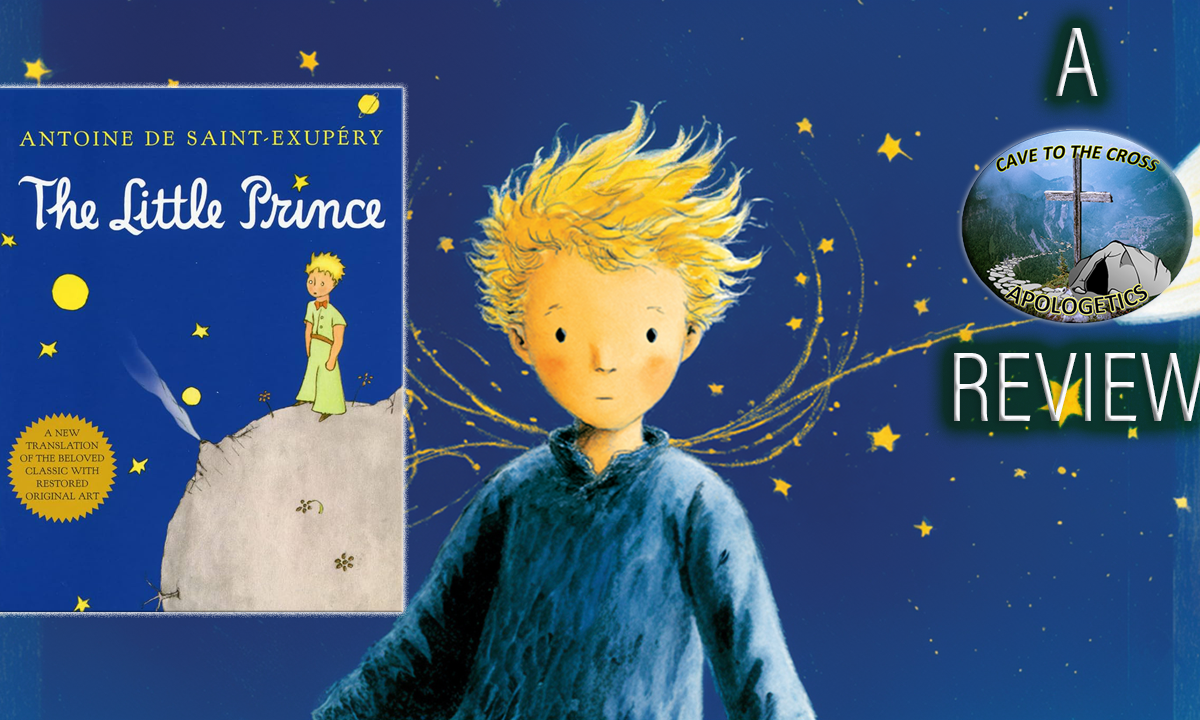
The Little Prince
The Little Prince by Antoine de Saint-Exupéry
Synopsis:
A pilot stranded in the Sahara Desert after a plane crash encounters a mysterious young boy who claims to hail from a tiny asteroid. The Little Prince recounts his interstellar travels, visiting strange planets inhabited by peculiar adults—a king, a vain man, a drunkard, a businessman, and others—each revealing the absurdities of grown-up behavior. Through tender tales of his life on his home planet, especially his care for a unique rose, he shares profound insights on love, loss, and friendship.
Video
Review
After finishing reading this book, I started all over again to make sure I was a bit more solid in my opinion of this. With most classics, if I have a divergent opinion, I tend to think I’m in the wrong, and so a quick re-read might have helped. I do believe I understand the author’s attempt at the message. Adults have lost their sense of wonder and childlike view of the world, and it is to their detriment that they have lost that part of themselves. There are characters in the book that show that to be the case, and I do believe they work within the story as archetypes that the author is speaking against. The drunk, in particular, is something children’s stories shy away from when wanting to look at the “real world”.
However, I believe the story fails to provide the counterpoint to the Little Prince’s point of view in that it doesn’t provide the other side, the positive side, of rearing up a child from childishness to maturity. It’s one thing to talk about not losing a perspective of the world that is lost for the worldliness of a dull, unexamined life not worth living. However, the life of immaturity loses another aspect of life that doesn’t give one an ability to take in a greater sense of God’s created world. While other stories may focus on the child-like POV of the world, the constrasting nature of the other characters in the story do find this whole of a call to maturity.
Knowing the background of the author, it seems like this was a sad man who lived with a demanding life, took way too many chances with his life flying poorly, suffered trauma of war and crash survival, and ended his life in much the same state when he was lost during his last flight. The author writing himself into the narrative character of the story is clear, but his idealism seems to come from the Little Prince. However, the self-insert in the Little Prince seems to be a retreat from a life not wanting to progress from a life he seemed to have found himself in. I don’t think the book works in ways that others attempting to promote the same messages do. I had watched and enjoyed the animated movie and knew that it differed in story aspects added for the movie, and there, I think it works well in the backdrop of those other elements of the main story. Probably too much overanalysis on the book, but maybe I’m one of the fuddy-duddy adults on one of the planets and just don’t know it.
Final Grade
D
Get The Book (And Support The Show)
Cave To The Cross GoodReads Page
 To check out more reviews and see what Patrick’s reading go to his GoodReads page here.
Other book reviews can be found here.