Lifebinder
Synopsis:
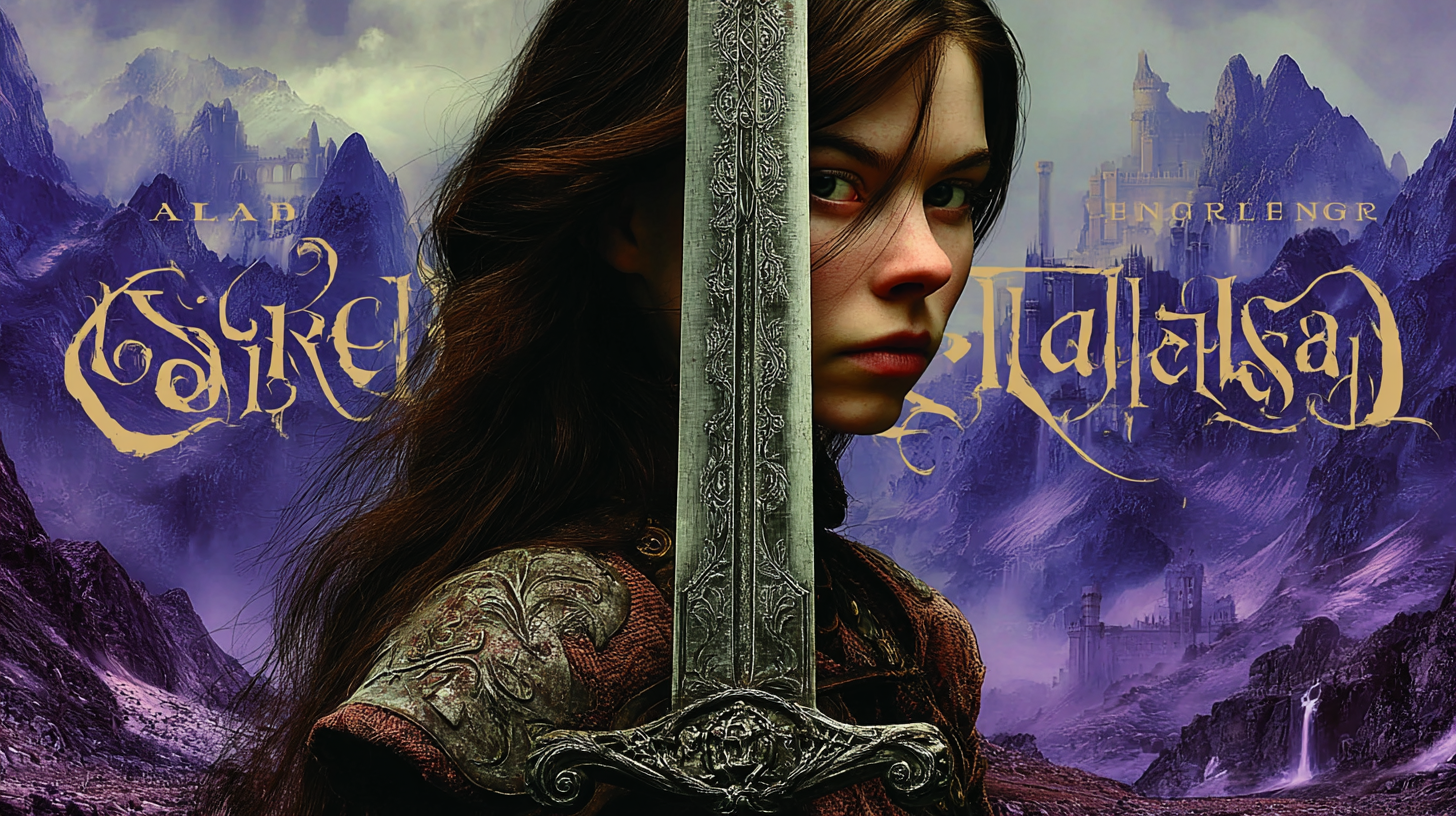
In the matriarchal world of Agareth, where ancient Spellswords—magical blades bound to bloodlines—wield extraordinary powers, the search intensifies for the legendary Lifebinder, the Sword of Mending capable of defying disease and even reversing death. Following the vengeful path forged by Inga Alenir and her deadly blade Deathbringer, new bearers and ambitious clans pursue this elusive weapon, long hidden after a brutal war that saw it seized from its previous matriarch. Alliances fracture amid secrets of blood sorcery, lost histories, and rising threats from forgotten enemies.
Video
Review
I really ended up enjoying Blake Carpenter’s first book in the Spellsword Saga, Deathbringer. I liked the characters, the plot, and the setting. Now, with the second book in the series, I was impressed with how well Carpenter expanded the world he set up in the first book. Within the first several chapters, the world unfolds more in a way that is logical within the confines of the previous story. Where the first story had those moments of steampunk-esk qualities, here they are embraced more in both setting and style. I was really impressed that Carpenter took his time and was confident in his first story to hold back this unfolded world for the sequel. This makes the sequel a well-constructed world where the feeling of “of course it is this way” naturally plays out. I quite enjoyed it.
As for the plot, the continuation of following a wiser Inga Alenir, having been battle hardened and diving headfirst into the political world didn’t just live happily ever after at the end of book one. She continues her training with sword mechanics, she is still dealing with the psychological damage of the eraser of her previous life and now the death of others (and the ability to raise the dead to do her bidding), the politics of the world not stopping just because of what happened in the previous book – it continues is a very fluid and easy to read way. A greater addition of characters were added and at times the paths and connections were confusing to me. As I tend to not be consistently in a fantasy novel, the addition of so many characters and their motives were harder to track for me. There are some interesting ones, including additional swordbearers. Again, the opening up of those types of characters makes all the sense and what is desired by a reader who enjoyed the first book. As for Kale, he sadly takes more of a backseat support role in this one. With the first book, Kale was along for the ride, and while not the main-main character, he was important, and his relationship to the other characters provided for some good, tragic motivation. Here, Kale practically falls off into a fetch quest side character spending much of his time away form Inga. This also lessens their growing romanic relationship and a “revelation” towards the end of the book was surprising to Inga but wouldn’t be surprising to the reader. However, because of the time away from each other, the built-up romance was lessened. Even speaking to Deathbringer seems to not be done a lot in this book. I was hoping for more from these two characters.
The plot started off really strong and there is an included element of a matriarchal religion element. That was really good and again grows the elements of the world. However, I’m not sure what the religious elements are. It may be that the matriarchal society is the result of the religious beliefs that are held by many in this world but I’m not sure what they are. Here, the church functions as another political element that is similar to the Bene Gesserit from Dune. I would have liked to know more of the theology and see if it resulted in the why the world’s make up is the way it is; but that might be saved for book three. While the plot is fine, the stakes are lessened from that of the first book. The first half of the book makes clear that the revelation of the story arc is coming and towards the later part there are a lot of scene and character changes that lessens that impact and bogs the story down a bit and I felt myself reading slower in the book because of it. The combat still remains a realistic descriptive aspect of the story although less direct fighting happens than in the first one. This seems to be more who are the pawns and who are the players of the game politics than the previous book.
Inga is a clearly tragic hero that I really enjoyed reading. Her fate vs. free will story unfolds even more here in such a smart way. While the characters got a little confusing and the story dragged a bit three-quarters in, I still enjoyed the setting and plot. If another story is to be written, I would definitely check that out. Again, Carpenter writes very smartly for a second book in a series and shows that he’s talented enough to take his time with his world and revelations and trust in a good story – which I would say this one is.
Final Grade
B+
Get The Book (And Support The Show)
Cave To The Cross GoodReads Page
 To check out more reviews and see what Patrick’s reading go to his GoodReads page here.
Other book reviews can be found here.