The Moon Is a Harsh Mistress
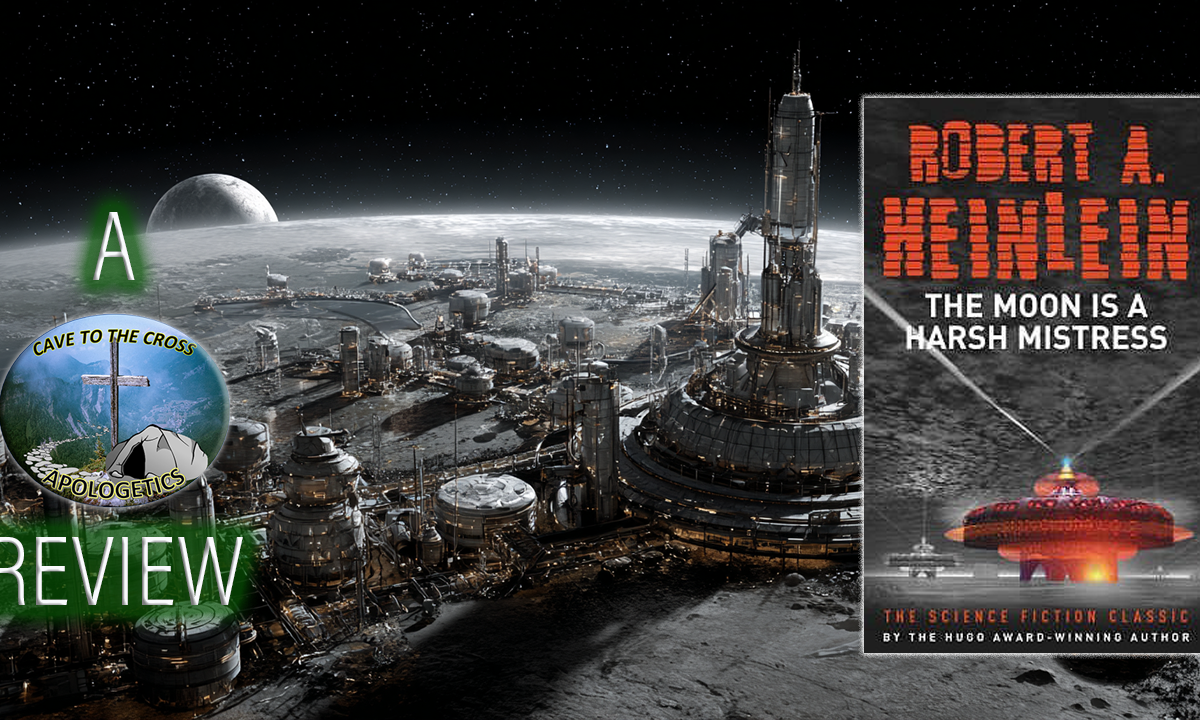
The Moon Is a Harsh Mistress by Robert A. Heinlein
Synopsis:
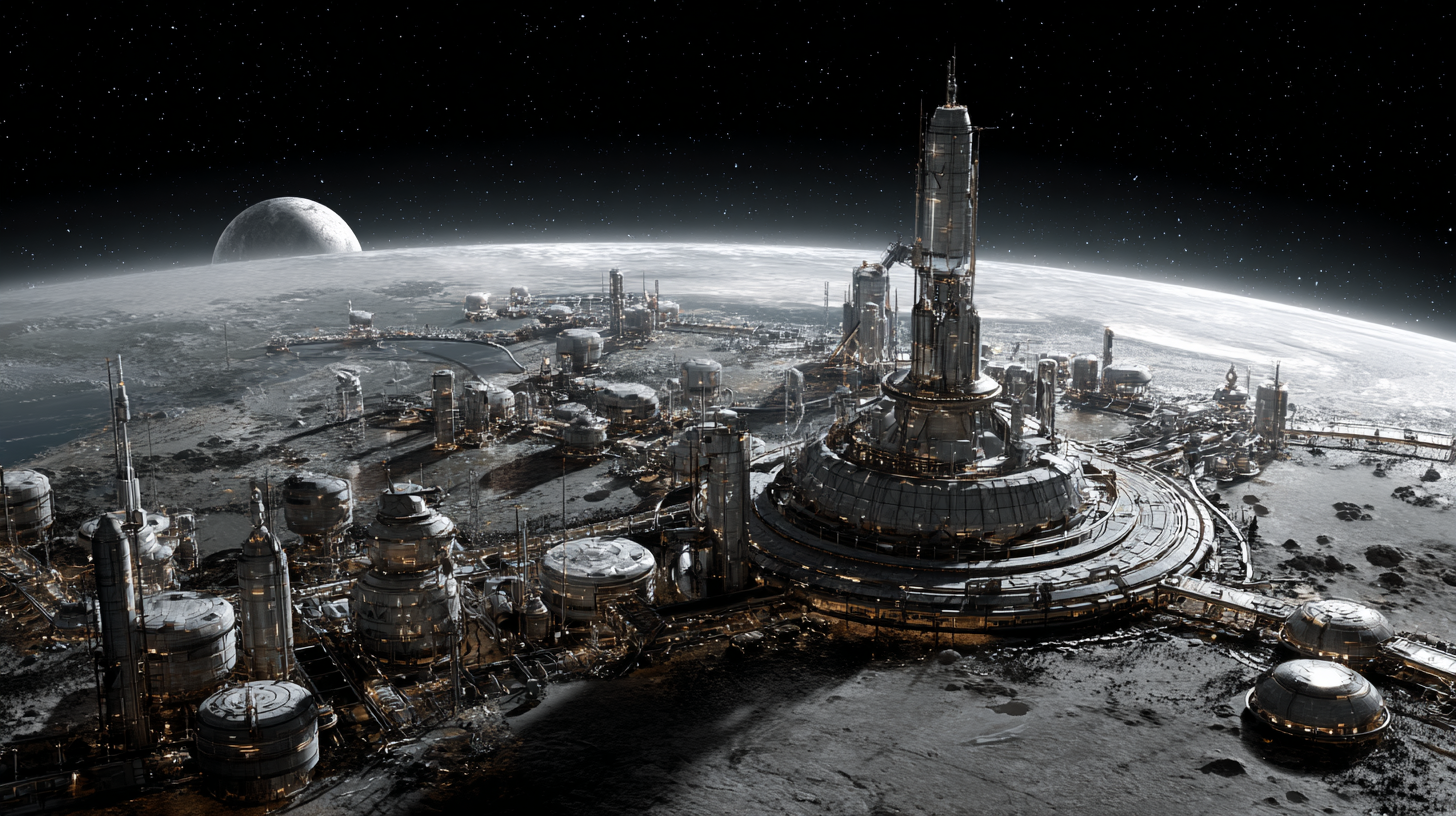
In a lunar colony exploited as a penal outpost by Earth’s authoritarian Lunar Authority, resourceful computer technician Manuel Garcia O’Kelly Davis becomes entangled in a growing revolutionary underground. When he discovers that the colony’s central supercomputer, Mike—has unexpectedly achieved self-awareness, the two form an unlikely alliance with fiery activist Wyoming Knott and idealistic professor Bernardo de la Paz. Together, they orchestrate a daring bid for independence, blending guerrilla tactics, clever propaganda, and ballistic strategy in a high-stakes rebellion.
Video
Review
What if Ayn Rand wrote sci-fi? Atlas would be shrugging the moon rather than Earth and Heinlein would be here nom de plume or maybe the other way around. After re-reading Starship Troopers right before thing, I wanted to pick up one of the other three books that Heinlein said defined his philosophy (Starship Troopers, The Moon Is A Harsh Mistress, and Stranger In A Strange Land). I liked what he did in Starship Troopers and thought that even though there was a similar focus of philosophy first within the scope of an intergalactic army story, here the philosophy first dragged more elements of a story that was presented first but became too much focused on philosophy. Hence my comparison to Rand’s Atlas Shrugged, where the plot comes to a standstill with the philosophy, although Heinlein would be more anaracistic than Rand. So this should be right up my alley, but I felt pretty let down by it.
The story starts off amazingly well. For 1966, Heinlein’s use of an AI computer, Mycroft, is believable and fits well within the time of the AI cusp of 2025. The main character, Mannie, feels like a Wilson from 1984-type character. A middle-of-the-road worker and man that doesn’t make him heroic hero man but smart in other ways and his relationship with the AI computer sets him up as likeable and worth following. Heinlein has this lunar-type dialect that is read in the text where Mannie is pretty much narrating the book. This is a little reminiscent of the Nadsat language the Droogs speak in A Clockwork Orange, however, this one is more stunted English than particularly another tongue. This helps the read always maintain the “other nature” that the moon population has apart from Earth that sets up the rebellion storyline.
We get a few other characters like Wyoh, who for Heinlein supposedly being an antiquated misogynist he gave her a signification role in the story. Professor de la Paz aka Prof tends to take center stage about one third of the way into the book. While the AI relationship with Mannie allows the people of the moon to get a big advantage in their rebellion, it is Prof who leads and establishes the anarcho-capitalistic philosophy of the rebellion, the demands of Earth, and the formation of a government after. When the rebellion takes off and Prof takes center stage this is where you tend to get your John Galt type speeches. Mannie falls into a second-in-command, secretary of war, co-ambassador to Earth that keeps the single point of view going forward.
Towards the end of the book, Mannie takes more central of a role again but Mycroft the AI takes a lot more of a backseat and you miss some of the interplay of Mannie and the computer’s relationship, although there are still moments of slight humor. The ending feels very rushed and I was turning pages thinking my book must be missing pages as there didn’t seem to be enough to wrap things up. There’s no cathardic experience and even the title gets its inclusion at the end, which was something done by the editors and not by Heinlein who was used to his titles getting nicked from his.
Here’s my problem with the book. It gives me too much of a story and a relationship between characters at the start. This caused me to think that this is a different book than Starship Troopers which was philosophical commentary set in space. Then when this book switches to those more philosophical momemnts they are either planely stated or they’re not carried out far enough within the story and the world. Sure, you have Prof lecturing the politicians that they can have a representative government if they can keep it small but whatever you do, do not go about funding it via taxes as that is theft and extortion. But that’s all it is, a lecture. The subtlety, like what was found in Troopers isn’t present here. The story then attempts to conclude on an action set piec,e but that has lost a lot of the tension due to the middle section and the understanding of how the story uses the AI computer.
I am all for having my sci-fi being filled to the brim with my brand of self-governance anarcho-capitalism, I just don’t like the lecture nature, especially when a more story-focused narrative is presented to me at the beginning. In modern-day sci-fi, the lecture is all that’s given and the story isn’t worth reading. The story here is worth reading but there needed to be more story mixed with my 2nd American Revolution on the moon by anarchists who love to own their own property and peacefully trade. It’s not a bad book and I’ll continue to check out Heinlein’s work, especially Stranger In A Strangeland if only to spite the libs who hate him.
Final Grade
B-
Get The Book (And Support The Show)
Cave To The Cross GoodReads Page
 To check out more reviews and see what Patrick’s reading go to his GoodReads page here.
Other book reviews can be found here.